Wollongong, Sydney, New South Wales
Air conditioning has become essential for many households in Nowra, particularly during hot summers and humid periods. While air conditioning improves comfort, many homeowners wonder how much it actually costs to run. The answer depends on several factors including the type of system, energy efficiency, usage habits, and electricity rates.
Understanding these variables can help you manage cooling costs without sacrificing comfort.
Factors That Affect Air Conditioning Running Costs
No two households will have identical air conditioning expenses. The cost of operation is influenced by:
- Type and size of air conditioning unit
- Energy efficiency rating
- Length of daily usage
- Indoor temperature settings
- Size of the home or room
- Insulation quality
- Local electricity tariffs in NSW
- Outdoor temperatures in Nowra
For example, cooling a large open plan living area for eight hours daily generally costs more than cooling a single bedroom for two hours.
Different Air Conditioning Systems and Their Costs
Split System Air Conditioners
Split systems are among the most common options in Australian homes.
They are often chosen because they:
- Provide efficient cooling for individual rooms
- Allow targeted use rather than cooling the entire home
- Tend to be economical when properly sized
Running costs vary depending on capacity and usage, but efficient modern units can help reduce electricity consumption. So, before going ahead with air conditioning installation in Nowra, you need to consider these points.
Ducted Air Conditioning Systems
Ducted systems cool multiple rooms through a central network.
These systems are suitable for larger homes but may cost more to operate due to wider coverage areas. Zoning features can help reduce expenses by cooling only occupied spaces.
Portable Air Conditioners
Portable units are sometimes used as temporary solutions. Although convenient, they may be less energy efficient than fixed systems and could result in higher operating costs relative to performance.
How Temperature Settings Affect Costs
One of the biggest influences on electricity use is thermostat setting.
Setting your air conditioner excessively low during summer forces the system to work harder and consume more energy.
Many households find moderate temperature settings balance comfort with efficiency.
Even small adjustments may help lower running costs over time.
The Impact of Energy Efficiency Ratings
Higher energy efficiency ratings generally indicate lower electricity consumption for comparable cooling output.
When purchasing a new unit, focusing only on upfront price can be misleading. A more efficient model may cost more initially but potentially reduce long term running expenses.
For homeowners in Nowra who rely heavily on cooling during warmer months, efficiency becomes especially important.
Maintenance Can Influence Running Costs
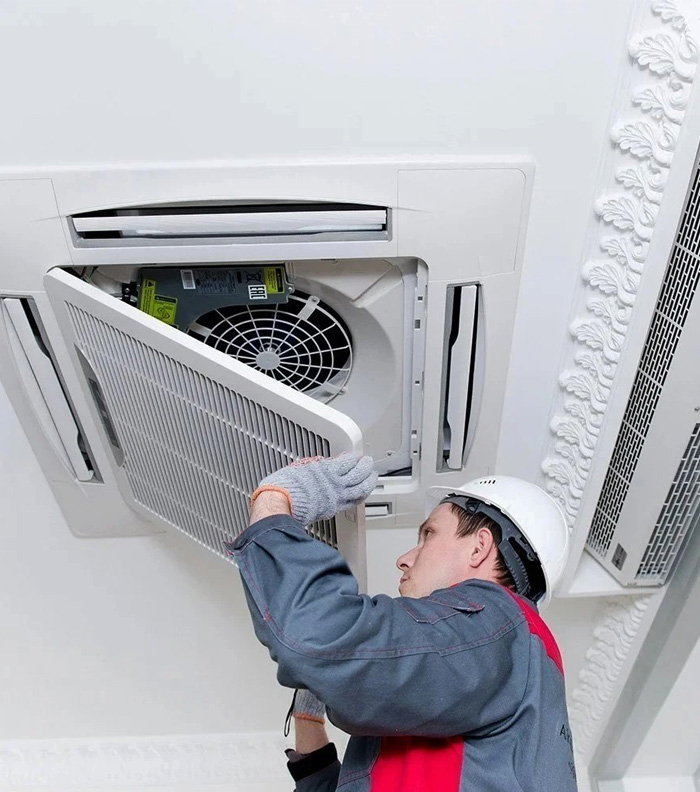
Air conditioners that receive regular servicing often perform more efficiently.
Neglected systems may experience:
- Reduced airflow
- Increased energy use
- Greater wear on components
- Reduced cooling effectiveness
Routine cleaning of filters and scheduled maintenance may help maintain performance and reduce unnecessary energy consumption.

Tips to Reduce Air Conditioning Costs in Nowra
According to companies that are into air conditioning supply in Nowra, homeowners can potentially lower cooling expenses by:
Improving Home Insulation
Better insulation reduces heat entering the home, decreasing demand on cooling systems.
Close Curtains and Blinds
Blocking direct sunlight helps maintain indoor temperatures.
Use Ceiling Fans Alongside Air Conditioning
Fans improve air circulation and may reduce reliance on lower temperature settings.
Cool Only Occupied Areas
Targeted cooling can minimise unnecessary energy use.
Schedule Regular Servicing
Well maintained systems generally operate more efficiently.
Is Running Air Conditioning Expensive in Nowra?
The cost depends largely on usage patterns and equipment efficiency.
Occasional use with an efficient system may have a relatively modest impact on electricity bills. Extended daily operation of older or oversized systems may increase expenses considerably.
The key is balancing comfort, efficiency, and maintenance to keep costs manageable.
Summing Up
Running air conditioning in Nowra does not have a fixed price because every home differs. Understanding how system type, usage habits, maintenance, and efficiency influence costs helps homeowners make smarter decisions.
Investing in efficient equipment and adopting energy conscious habits may improve comfort while keeping electricity expenses under control.
Discuss Your Requirements With Us
To discuss your cooling requirements, contact MAZ Airconditioning, the top air conditioning services provider. Call 0420 201 050 or send us a WhatsApp text, and we will get back to you in no time.
Can an oversized air conditioner increase running costs?
Surprisingly, yes. Oversized units may cycle on and off more frequently, reducing efficiency and potentially increasing wear while failing to maintain consistent indoor comfort.
How does home insulation influence air conditioning expenses over time?
Poor insulation allows cool air to escape and external heat to enter, forcing systems to operate longer. Improving insulation may significantly reduce long term cooling costs.
Is it cheaper to leave an air conditioner running all day or turn it on only when needed?
The answer depends on outdoor temperatures, insulation, and usage patterns. In many cases, cooling only occupied spaces when required is more cost effective than continuous operation.
Can solar panels reduce the cost of running air conditioning in Australian homes?
Yes. Homes with solar systems may offset some daytime electricity consumption from air conditioning, potentially lowering energy bills depending on system size and usage timing.
Do older air conditioning systems always cost more to run than newer models?
Older units are often less energy efficient and may consume more electricity, especially if maintenance has been neglected. However, performance varies by condition and model quality.
How often should air conditioner filters be cleaned to maintain efficient operation?
Cleaning frequency depends on usage and environment, but heavily used systems or homes exposed to dust may require more frequent maintenance to maintain airflow and efficiency.
Does using dry mode instead of cool mode reduce electricity consumption?
In humid conditions, dry mode may use less energy because it focuses on reducing moisture levels rather than significantly lowering room temperature. Effectiveness depends on weather conditions.
Can smart thermostats help lower air conditioning running costs?
Smart controls may optimise temperature settings, schedules, and operating times, helping reduce unnecessary energy consumption while maintaining indoor comfort.
What hidden factors commonly increase household cooling costs without homeowners noticing?
Common contributors include blocked filters, air leaks around windows, poor insulation, incorrect thermostat settings, ageing equipment, and cooling unused rooms.

 Whatsapp